
Selling on Amazon: A Comprehensive Beginner’s Guide
Amazon is a globally recognized platform that provides sellers with unparalleled access to millions of customers, making it an excellent opportunity for business growth. With powerful tools and services like Fulfillment by Amazon (FBA), Prime eligibility, and advanced advertising solutions, sellers can optimize operations, enhance customer satisfaction, and boost sales performance. While becoming a successful Amazon seller isn’t without its challenges, the right approach and guidance can set you on the path to success.
Getting started is easier when you follow a clear process. Below are essential steps to help launch your Amazon selling journey. With persistence and strategic planning, you can establish a profitable presence on the world’s largest e-commerce platform.
Amazon offers various business models, each with unique advantages and considerations. Choosing the right one depends on your goals, budget, and level of involvement.
Pro Tip: Evaluate your resources and business goals carefully before choosing a model. Each path requires a different level of commitment and risk tolerance.
Once you’ve chosen your model, the next step is selecting products to sell. Start by analyzing market trends, customer demand, and competitor offerings. Choose products with healthy profit margins, reliable suppliers, and a strong potential for success.
You can opt to resell popular items or develop a unique product line through private label or custom manufacturing.
High-Performing Categories on Amazon
While these categories generally perform well, be aware that some may require approval to sell.
After choosing a product to sell, the next step is to create your Amazon seller account. Visit Amazon Seller Central to register. You’ll need to decide between an Individual or Professional account based on how many products you plan to sell and your business goals. During registration, you’ll provide essential information such as business details, contact information, and bank account information for payments.
Once your account is active, you can begin listing products and managing your store through the Seller Central dashboard.
Amazon Selling Plans: A Comparison
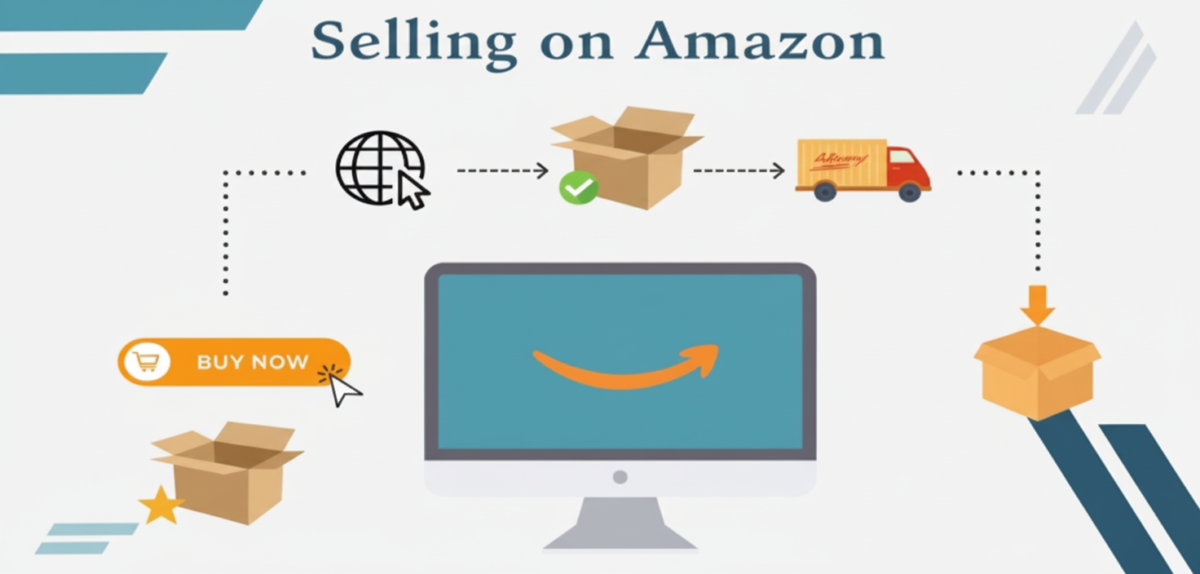
Amazon provides two main fulfilment options: Fulfilment by Amazon (FBA) and Merchant Fulfilled Network (MFN). Your choice depends on how hands-on you want to be with logistics and shipping.
Why Do Many Sellers Choose FBA?
FBA is often preferred because it offers fast delivery, Prime eligibility, and Amazon-handled customer service, increasing trust and conversion rates. Its scalability and operational ease make it attractive for businesses aiming to grow quickly.
Product listing methods vary based on whether your item already exists in Amazon’s catalogue:
Understanding the costs involved is vital for maintaining profitability. Key expenses include:
To learn how to manage these expenses effectively, check out our detailed blog post that explores Amazon selling fees and strategies to optimize your margins.

Amazon Seller Tips for Beginners
Here are some essential tips to help you launch your Amazon selling journey with confidence and success.
Use a Genuine UPC Code
Obtaining a UPC (Universal Product Code) is a fundamental requirement for listing products on Amazon. This unique identifier ensures proper tracking and compliance across platforms. Always purchase UPCs directly from GS1, the official source, to ensure authenticity and alignment with Amazon’s guidelines. Avoid using low-cost or unofficial codes from third-party sellers, as these can lead to listing issues or even account suspension.
Collect Customer Reviews
Reviews play a vital role in influencing purchase decisions on Amazon. Gaining early feedback helps build credibility and boosts product visibility. Encourage customers to leave reviews by sending personalized follow-up emails after purchase. Prioritize quality products and outstanding service to naturally earn positive reviews. Be sure to follow Amazon’s strict policies regarding review solicitation to maintain trust and compliance.
Set Strategic Pricing
Competitive pricing is key to standing out in the marketplace. Research your competitors and set prices based on product cost, Amazon fees, shipping, and desired profit margins. Monitor pricing trends regularly and make data-informed adjustments to remain competitive and profitable.
Promote Your Listings
Increase your product visibility using Amazon’s advertising tools such as Sponsored Products, Sponsored Brands, and Sponsored Display. These tools help you reach targeted audiences through keyword and product-based ads. Continuously test and refine your campaigns—adjust targeting, creative, and bids—to improve performance and maximize ROI.
Track Performance and Evolve
Keep a close eye on your store’s performance using analytics in Amazon Seller Central. Monitor sales, customer feedback, and key performance indicators (KPIs) to identify what’s working and where you can improve. Act on customer reviews to resolve issues and enhance satisfaction. Use insights to refine your approach and scale your business over time.
Starting on Amazon can be both exciting and rewarding when equipped with the right tools and strategies. With continuous learning and adaptability, sellers can thrive in Amazon’s dynamic e-commerce environment.
Need tailored advice for your Amazon business? The team at eStoreScout —real Amazon sellers and seasoned experts—is here to help. Contact us or book a free consultation today.
Want to know how to choose the best Amazon marketing agency for your needs? Check out our blog post for expert tips and recommendations.