
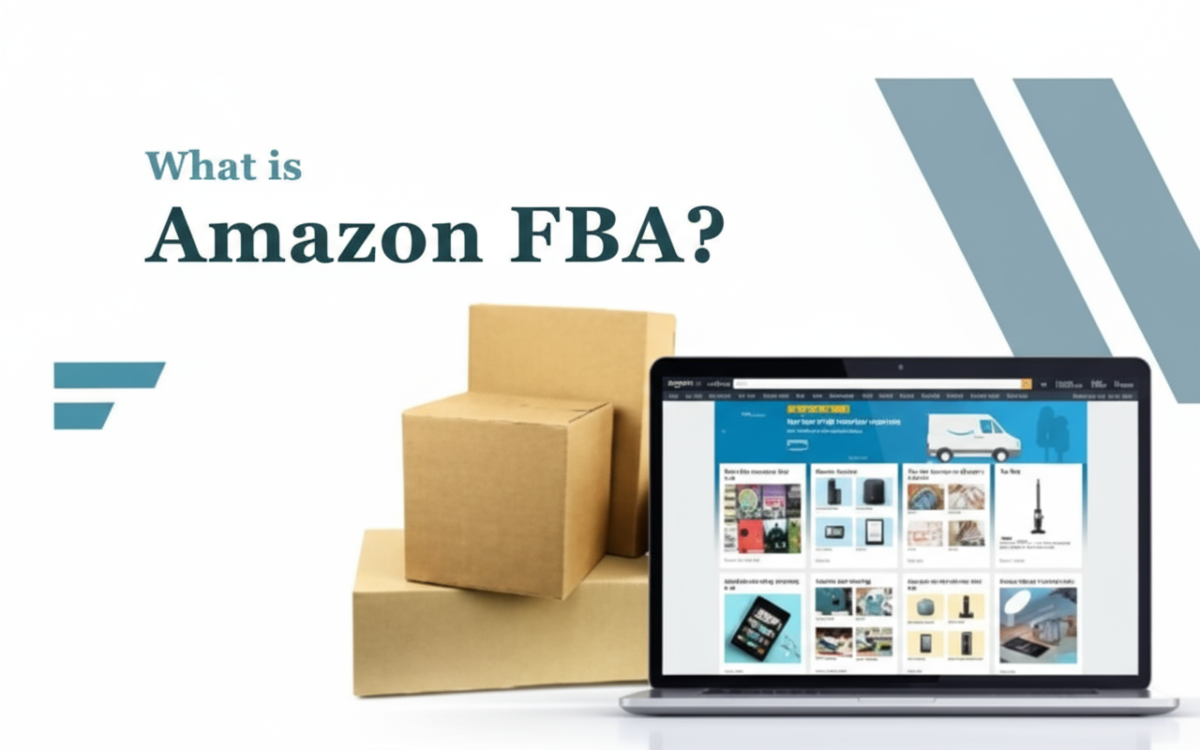
As we continue to explore the benefits of our Amazon Marketing Services, let’s take a look at an incredible selling model. FBA, which stands for Fulfillment by Amazon, allows you to store products sourced from various suppliers in Amazon’s fulfillment centers. Amazon then handles the picking, packing, shipping, and customer service for those products.
FBA offers a powerful way to scale your business and reach a wider audience compared to traditional methods. For many Amazon sellers, it’s the ideal approach to get started. Below, we’ll outline the details of how the process works. Are you already selling on Amazon and looking to take your business to the next level? Our team is here to help—just reach out.
How to Send Your Products to Amazon
Amazon operates roughly 100 fulfillment centers across the United States, some of which are over a million square feet in size. Additionally, there are numerous warehouses spread across Amazon’s European marketplaces (including the UK, Germany, Italy, Spain, France, Netherlands, Sweden, Poland, and more).
According to www.junglescout.com, there are some key details about Amazon that we’ve already streamlined for you. You’ll find them below.

Amazon Organizes and Stores Your Products
When Amazon receives your product, they categorize it based on its type and incorporate it into their inventory system. The products are then securely stored in their warehouses. If any items are damaged during handling by warehouse staff, Amazon will compensate you for the damaged goods.
Tip: Always request a signed Proof of Delivery from your freight forwarder once the goods are delivered to the Amazon warehouse.
Real-Time Inventory Updates
Amazon manages the entire transaction process for you. They process customer payments and adjust your inventory accordingly. The terms and conditions may vary depending on the region; for example, Amazon FBA policies in the UK differ from those in the USA marketplace.
Product Shipping
Once a customer places an order, Amazon’s warehouse team (or automated robots) selects the appropriate product from storage, packages it, and ships it to the customer’s address. They also provide a tracking number so the customer can easily track their order’s progress.

Amazon Customer Service
After your product is delivered to the customer, Amazon follows up using the contact details provided by the customer to ensure satisfaction with the shipment. They also manage any returns or address any questions the customer may have regarding the product.
Payment for Sales
Every two weeks, Amazon calculates your total sales, deducts the seller fees, and deposits the remaining profits directly into the bank account you provided during registration.
While this process may seem straightforward, it comes with a cost, known as Amazon FBA fees. These fees cover storage and fulfillment, but also include access to Amazon’s excellent 24/7 customer service, shipping costs, and one of the world’s largest and most efficient fulfillment networks.
To understand the specific deductions and charges, you’ll need to review the terms and conditions for your country. For example, Amazon FBA fees in the UK differ from those in other countries.
Here’s a brief summary of the key points:
Seller Responsibilities
Conclusion
Now that you understand Amazon FBA and its benefits, you’re better equipped to boost your business. If you’d like to learn more about how our Amazon Marketing Services can support your FBA efforts, check out our dedicated page or reach out to our team—we’re here to answer your questions.
Did this blog provide the information you were looking for? Ready to start selling as an Amazon FBA seller?